

Narrative Therapy for Black Women
Your Story Has Always Been Sacred
Long before narrative therapy developed into a clinical approach, Black communities were healing through story. We have always made meaning through testimony, oral traditions, family histories, faith communities, music, literature, and conversations passed from one generation to the next. We have always used storytelling to remember who we are, survive what we have endured, and imagine what is possible.
Narrative therapy is the clinical language for something many Black women already know deeply: the stories that we carry shape how we see ourselves, our relationships, and our future.
At Black Girls Mental Health Collective, narrative therapy creates space to delve into the stories that have been handed to you, challenge the ones that no longer serve you, and reconnect with the story you want to live. This work is not about fixing who you are. It is about honoring who you have always been and reclaiming authorship of your life.
If This Feels Like You...
You may find narrative therapy helpful if:
-
You have spent years being "the strong one" and are tired of carrying everything alone.
-
Your story feels defined by everyone else's expectations.
-
You have been in therapy before but felt misunderstood or reduced to a diagnosis.
-
You want to understand your patterns without being defined by them.
-
You carry stories from your family, community, culture, or history and are ready to decide what belongs to you.
-
You are experiencing a major life transition such as motherhood, career changes, relationships, or grief.
-
You are processing pregnancy and postpartum stress while trying to hold onto your sense of self.
-
You want a therapist who understands that your experiences do not exist outside of race, gender, family, and community.
Understanding Narrative Therapy
What Is Narrative Therapy?
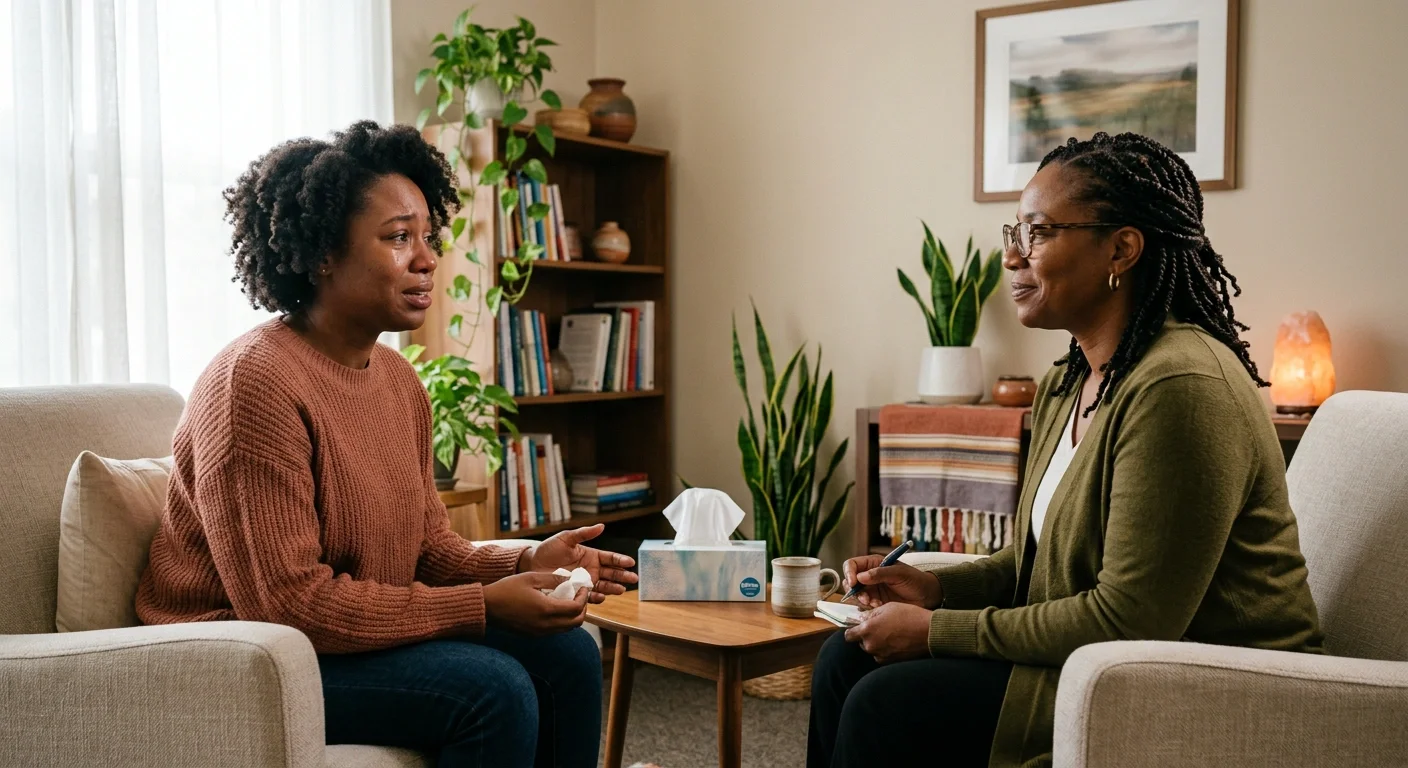
Narrative therapy is a collaborative approach to healing that centers the stories people tell about themselves and their lives. The core belief is simple: the person is not the problem. The problem is the problem.
Many of us carry stories about who we are, what we deserve, how much we can ask for, and what roles we must play. Some come from families. Some from culture. Some from painful experiences. Others from systems that have tried to define Black women before we had the opportunity to define ourselves. Narrative therapy helps you explore those stories with curiosity and compassion.
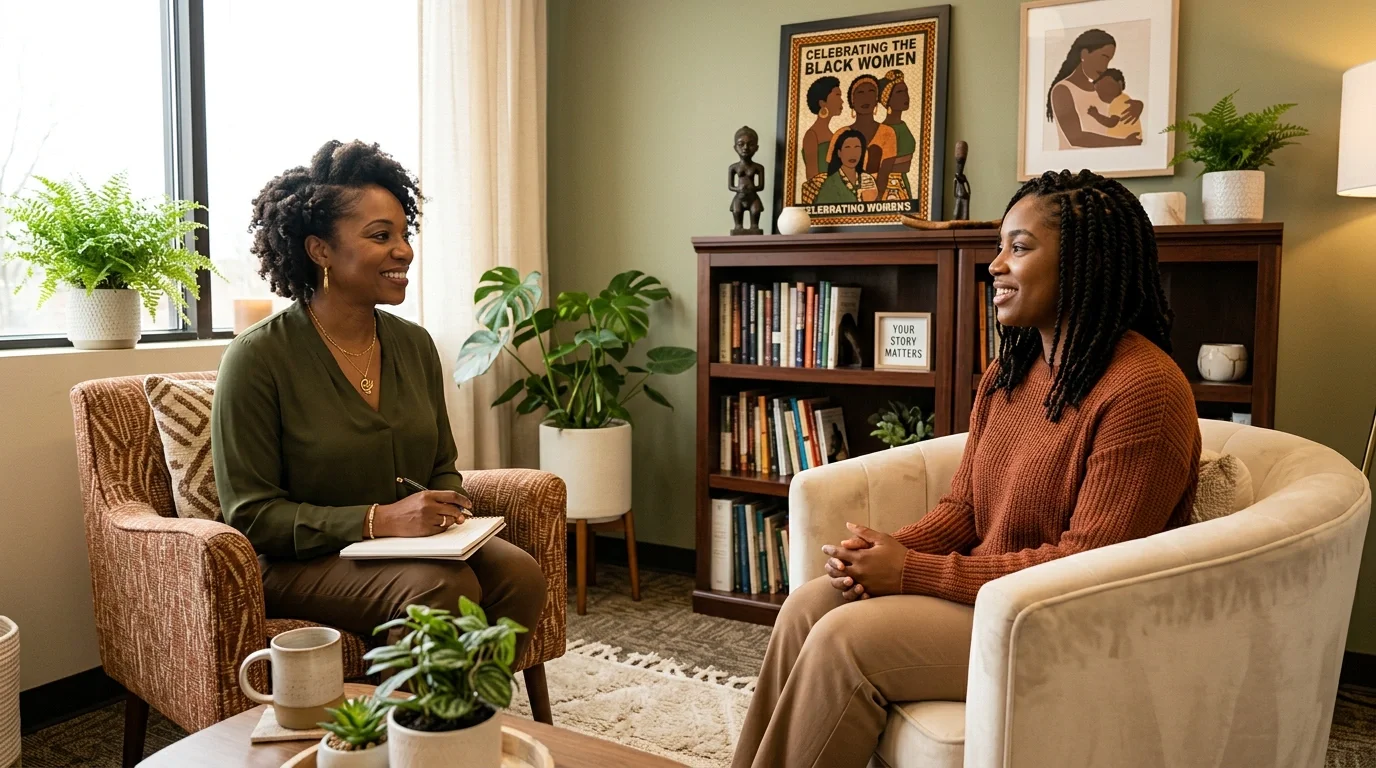
Narrative therapy helps you explore those stories with curiosity and compassion.
For example, instead of saying:
"I am an anxious person."
Narrative therapy might ask:
"When did anxiety first enter your story?"
"How has anxiety influenced your life?"
"When has anxiety not been in charge?"
This subtle shift creates room to see yourself as more than your struggles. Throughout the process, you and your therapist may explore externalizing the problem, re-authoring your story, dominant narratives, alternative stories, identity and healing, and resilience and meaning-making.
How Narrative Therapy Works
Narrative therapy is not about reliving every painful experience in detail. Instead, sessions often focus on understanding the stories that form your identity and considering new possibilities. You are the expert on your own life. Your therapist helps create space for reflection, exploration, and discovery.
-

Externalizing the Problem
You are not the problem. The problem is the problem. When the problem is no longer your identity, there is room to breathe, reflect, and imagine something different.
-

Re-Authoring Conversations
Explore whether the story you have been carrying is the only story available. Discover a fuller narrative and recognize strengths that were always present but rarely acknowledged.
-

Identifying Unique Outcomes
Even the most familiar stories rarely tell the whole story. Narrative therapy pays close attention to moments that challenge the dominant narrative. They offer evidence that another story exists.
-

Witnessing and Community
Being truly heard and having your story reflected back can be deeply healing. For Black women, this is especially powerful when your experiences are witnessed by people who understand the cultural context.
Why Narrative Therapy for Black Women

When the Story Wasn’t Written By You
Many Black women have spent years carrying narratives they did not create. Stories that say:
You must always be strong.
Your needs come last.
Rest must be earned.
Asking for help is a sign of weakness.
Success means carrying everything alone.
Vulnerability is dangerous.
These narratives often emerge from generations of survival, responsibility, sacrifice, and fortitude. While these stories may have helped you navigate difficult circumstances, they may no longer reflect who you are or who you want to become.
Our identities do not develop in isolation. Black women's stories are formed by race, gender, family systems, community expectations, workplace experiences, social messages, and historical realities. Narrative therapy recognizes that healing cannot be separated from context. Rather than asking you to leave your cultural experiences at the door, narrative therapy welcomes them into the conversation.
Race, Gender, and the Stories We Carry
Our identities do not develop in isolation.
Black women's stories are formed by race, gender, family systems, community expectations, workplace experiences, social messages, and historical realities.
Sometimes these influences support us.
Sometimes they limit us.
Narrative therapy recognizes that healing cannot be separated from context.
Rather than asking you to leave your cultural experiences at the door, narrative therapy welcomes them into the conversation. Together, you can explore how external messages have influenced your sense of self and how you want to define yourself moving forward.

Storytelling as a Cultural Practice
Across the African diaspora, stories have carried culture, memory, wisdom, and identity across generations. Long before many of our histories were documented in books or records, stories helped preserve family lineages, community values, ancestral knowledge, and collective truths. They reminded us of who we were, even when systems attempted to erase, distort, or redefine us.
Stories have always helped Black communities stay connected to one another and to those who came before. Shared around kitchen tables, at family reunions, in church testimonies, through music, poetry, literature, and everyday conversations between elders and younger generations. Through these stories, lessons were passed down, resilience was modeled, and history was kept alive.
Who are we?
Where do we come from?
What have we survived?
What do we take forward?
What do we want future generations to remember about us?
When we tell our stories, we connect our experiences to something larger than ourselves. We find language for our pain, celebrate our strength, honor our growth, and remember that our lives belong to a broader lineage of strength, survival, and possibility.
Narrative therapy builds upon this tradition. For many Black women, this work can feel especially powerful. Many of us have inherited stories about strength, caregiving, sacrifice, achievement, motherhood, and survival. Narrative therapy creates space to honor the stories that helped us survive while also asking what story we want to live now.
"Healing is not about abandoning where you come from. It is about understanding your story more fully, honoring the chapters that shaped you, and reclaiming your right to write what comes next."
Everyday Practices to Explore Your Story
You do not have to wait until your first therapy session to begin becoming curious about your story. These simple practices can help you begin exploring with greater awareness and compassion.
-
Notice the Label
Pay attention to the ways you describe yourself throughout the day. When you catch yourself saying "I'm just the strong one" or "I've always been anxious," pause and ask: Who taught me that story? Was it something you discovered about yourself, or something you learned to believe over time?
-
Find the Exception
Think about a story you often tell yourself, like "I always have to do everything alone" or "I never speak up for myself." Now look for one moment this week when that story was not completely true. Narrative therapy reminds us that even our most familiar stories rarely tell the whole story.
-
Name the Voice
When your inner critic shows up, get curious about where that voice came from. Does it sound like a parent, a teacher, a former partner, or cultural messages about who you should be? Naming the source can help create distance between your own voice and the voices you have carried for years.
-
Two-Minute Free Write
Set a timer for two minutes and finish this sentence: "The story I want to be living is..." Don't worry about making it perfect. Simply notice what emerges when you give yourself permission to imagine something different.
-
Honor a Chapter
Think about a season of your life that was challenging. Instead of focusing only on what happened, ask yourself: What strength, wisdom, or value emerged during that chapter? Sometimes the stories we are most willing to move beyond also reveal parts of ourselves worth carrying forward.
-
Remember the Bigger Story
When life seems overwhelming, take a moment to think about the larger story of your life. Ask yourself: What have I survived? What lessons have I carried forward? What values keep guiding me? Our stories are often much bigger than the challenges we are facing right now.
Journaling Prompts for Self-Reflection

What messages did I receive growing up about who I was supposed to be, and which of those messages still influence me today?
What parts of myself have I had to hide, shrink, or set aside in order to feel accepted, successful, or safe?
What strengths helped me survive difficult seasons of my life, and which of those strengths do I still want to carry forward?
If my ancestors could sit beside me today, what wisdom might they remind me of about who I am?
What story about myself am I beginning to question, and what new story feels ready to emerge?
If I were naming this chapter of my life, what would I call it, and what do I hope the next chapter will become?
When Traditional Talk Therapy Feels Like It's Missing Something
Many people come to narrative therapy after spending time in therapy before. They may have gained insight into their emotions, learned valuable coping skills, or developed a more profound understanding of their experiences. Yet something can still feel unfinished.
Sometimes the missing piece is not understanding what happened. It is understanding what it means. For many Black women, healing involves more than processing symptoms. It involves exploring identity, culture, family stories, relationships, values, and the experiences that have formed how they see themselves and move through the world.
Narrative therapy creates space for these questions. It encourages you to explore not only your experiences, but the meaning you have made from them and the story you want to carry forward.
Recognizing the Gap
How Narrative Therapy Complements Other Approaches
Narrative therapy is not an either-or approach. It often works beautifully alongside other forms of therapy. At BGMHC, we recognize that healing is rarely one-dimensional.
-
Narrative + EMDR
With trauma support
Someone working through trauma may use narrative therapy to make meaning of their experiences while also engaging in trauma-informed support or EMDR therapy.
-
Narrative + CBT
With CBT Therapy
Explore the stories shaping your self-perception while also using practical tools for managing daily stress and anxiety.
-
Pregnancy, Birth, Postpartum
Life transitions
Pregnancy, birth, postpartum adjustment, grief, career changes, and relationship shifts often invite us to reconsider the stories we tell about ourselves.
-
Expecting Together + Rooted After Birth
Community spaces
Community-centered spaces reflect this belief in collective healing. Story-based healing can be especially powerful in group settings where people feel seen and affirmed.
Finding Support
How to Access
Narrative Therapy

The right therapist should help you feel seen for who you are, not just what you have been through. When looking for a narrative therapist, consider someone who:
Provides culturally affirming care
Understands how identity, culture, and lived experiences define our stories
Welcomes conversations about race, gender, family, faith, and community
Recognizes the impact of systemic and racialized experiences
Explains the therapy process in a clear and collaborative way
Respects your pace and does not rush your healing
Helps you identify strengths, values, and moments of fortitude
Partners with you rather than positioning themselves as the expert on your life
BGMHC offers access to therapists through telehealth and other care options depending on clinician availability. Our intake team can help you understand available options, answer questions about coverage, and connect you with a therapist who feels like the right fit.
Meet Your Narrative-Informed Clinicians
-

Breea Wainwright
Licensed Marriage and Family Therapist, PMH-C
Breea specializes in perinatal mental health, attachment-based therapy, and Interpersonal Therapy to support Black mothers and families through pregnancy, postpartum, and the early parenting years. Her work goes beyond symptoms to address the full picture, including your nervous system, your relationships, and the identity shift that comes with motherhood.
MEET BREEA -

Dr. Chyna Hill
Licensed Clinical Social Worker, PMH-C, EMDR Certified
Dr. Hill offers EMDR intensives designed for clients seeking concentrated trauma healing in a structured, supportive format. Intensives provide focused time to process significant experiences more efficiently than traditional weekly therapy, while maintaining safety, preparation, and integration.
REQUEST AN INTENSIVE -
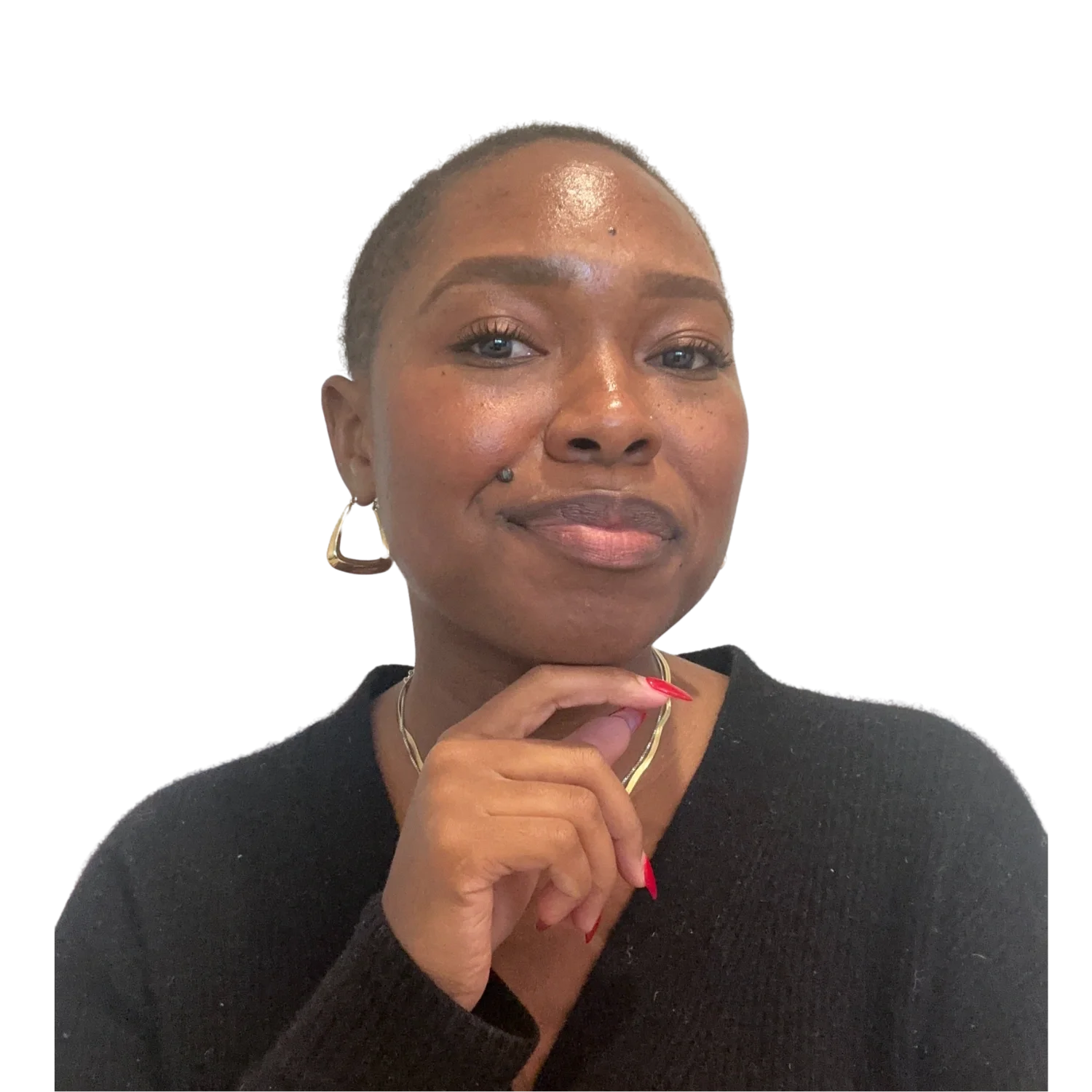
Chantal Austin
Licensed Clinical Social Worker, PMH-C
Chantal specializes in trauma-focused therapy, including EMDR, to help clients reprocess painful experiences that feel stuck or overwhelming. She supports Black women, femmes, and non-binary people of color navigating childhood trauma, birth trauma, relationship wounds, and trauma-related anxiety.
MEET CHANTAL -

Ebony Staten
Associate Marriage and Family Therapist, APCC, PMH-Trained
Ebony works with individuals, couples, and families who are carrying heavy responsibilities and feeling the strain. She specializes in strengthening relationships, improving communication, and helping high-achieving, values-driven clients navigate burnout and anxiety.
MEET EBONY
Frequently Asked Questions
Everything you want to know before your first session.
-
Narrative therapy for Black women is a story-centered approach that helps women explore identity, healing, resilience, and self-definition. It recognizes the impact of culture, family, race, and community while helping individuals reclaim authorship of their lives.
-
The four core techniques often include externalizing the problem, re-authoring conversations, identifying unique outcomes, and witnessing. Together, these approaches help create distance from limiting narratives and strengthen more empowering ones.
-
A typical process may include exploring the dominant story, externalizing the problem, identifying unique outcomes, re-authoring the narrative, and engaging supportive witnesses. The process is flexible rather than rigid.
-
The Strong Black Woman narrative is the expectation that Black women should always be capable, resilient, self-sacrificing, and emotionally composed. Narrative therapy creates space to examine this story with compassion and determine whether it still serves you.
-
Narrative therapy is highly adaptable and can benefit many people. During periods of acute crisis, additional supports may be needed first. A consultation can help determine the most appropriate approach.
-
No. Narrative therapy follows your pace. You choose what you share and when you share it.
-
Narrative therapy involves conversation, but it uses a specific lens focused on story, identity, meaning, and self-authorship rather than primarily focusing on symptoms.
-
You can schedule a consultation, request a therapist match, or book an appointment. You do not need to have your story figured out before reaching out.
Still have questions?
Our team is happy to talk through anything before you book.
Take the Next Step
Your story is still being written.
You do not have to have the entire story figured out before you begin. Healing is not about deleting chapters of your life. It is about understanding them differently, honoring what they taught you, and deciding what comes next. Your story is bigger than what happened to you.