

Virtual Anxiety Therapy for Black Women Across California
Therapy for Anxiety
in Black Women
Anxiety in Black women rarely looks the way it gets described. It can look like a mind that will not turn off, a body that stays tense even at rest, or the exhausting work of appearing fine when you are anything but.
Anxiety in Black Women Is Not the Same

For many Black women, anxiety does not arrive as obvious nervousness or panic. It arrives as a body that cannot rest, a mind running at full capacity even during quiet moments, and a low-grade dread that feels like it has always been there.
Anxiety in Black women is often shaped by layers that go beyond personal circumstance. Racial stress, workplace discrimination, the weight of the Strong Black Woman expectation, caregiving responsibilities, and generational trauma all compound. The nervous system was never designed to carry that much, for that long, without support.
Many Black women have been told their symptoms are "just stress," dismissed by providers who did not understand the full picture, or felt like seeking help was admitting weakness. None of that is true. Anxiety is a real, treatable condition, and you deserve care from someone who understands the full context of your life.
"Anxiety is not a personal weakness. For many Black women, it is the natural response to carrying too much for too long without the support you deserve."

What Anxiety Looks Like in Black Women
Anxiety in Black women is frequently overlooked or misdiagnosed because it does not always match how anxiety gets portrayed. These are the signs that often go unrecognized.
Constant Worry or Racing Thoughts
A mind running at full capacity even during quiet moments, replaying conversations and anticipating everything that could go wrong.
Feeling Overwhelmed Even When Nothing Is "Wrong"
A persistent heaviness or dread that does not have a clear cause and does not respond to reassurance or rest.
Trouble Sleeping or Relaxing
Difficulty falling asleep, waking in the middle of the night, or sleeping a lot without ever feeling genuinely rested.
Irritability or Snapping at Loved Ones
Emotional reactions that feel bigger than the moment seems to call for, especially toward people you care about most.
Chest Tightness, Headaches, or Stomach Issues
Physical symptoms that carry anxiety in the body, including tension headaches, jaw clenching, gastrointestinal issues, and a chest that feels perpetually tight.
Panic Attacks
Sudden episodes of intense fear, racing heart, shortness of breath, or the feeling that something is terribly wrong, even when there is no visible threat.
Difficulty Concentrating or Deciding
Brain fog, second-guessing, and difficulty completing tasks, even when you are someone who is usually highly capable and organized.
Perinatal Anxiety During Pregnancy or Postpartum
Intrusive thoughts about your baby's safety, constant worry about being a good mother, or inability to rest even when you finally have a moment. Perinatal anxiety in Black mothers is severely underdiagnosed.
Why Black Women Experience Higher Rates of Anxiety
Anxiety in Black women is not just about individual stress. It is shaped by a set of compounding pressures that most general therapy never addresses.
-
Racial Stress & Discrimination
Navigating microaggressions, workplace bias, and systemic racism keeps the nervous system chronically activated. Racial discrimination is directly linked to higher rates of generalized anxiety in Black women.
-
The Strong Black Woman Expectation
Being socialized to appear strong, self-sufficient, and unbreakable regardless of internal reality makes it harder to recognize anxiety as a legitimate health concern that deserves treatment.
-
Caregiving & Invisible Labor
Carrying disproportionate responsibility for family, community, and work simultaneously, while rarely having the same support extended in return, creates a chronic stress load the nervous system cannot sustain.
-
Generational Trauma
Patterns of hypervigilance, stress response, and emotional suppression can be passed across generations. Many Black women are not just carrying their own anxiety but the unprocessed experiences of those who came before them.
-
Medical Bias & Misdiagnosis
Black women's symptoms are frequently dismissed, minimized, or misread as attitude or stress rather than recognized as a mental health condition. This makes it harder to get accurate diagnosis and appropriate care.
-
Lack of Culturally Affirming Care
Finding a therapist who genuinely understands the intersection of race, gender, and lived experience, without requiring you to educate them, is a real barrier that causes many Black women to delay or avoid seeking support.
Is Anxiety Treatable? Absolutely.
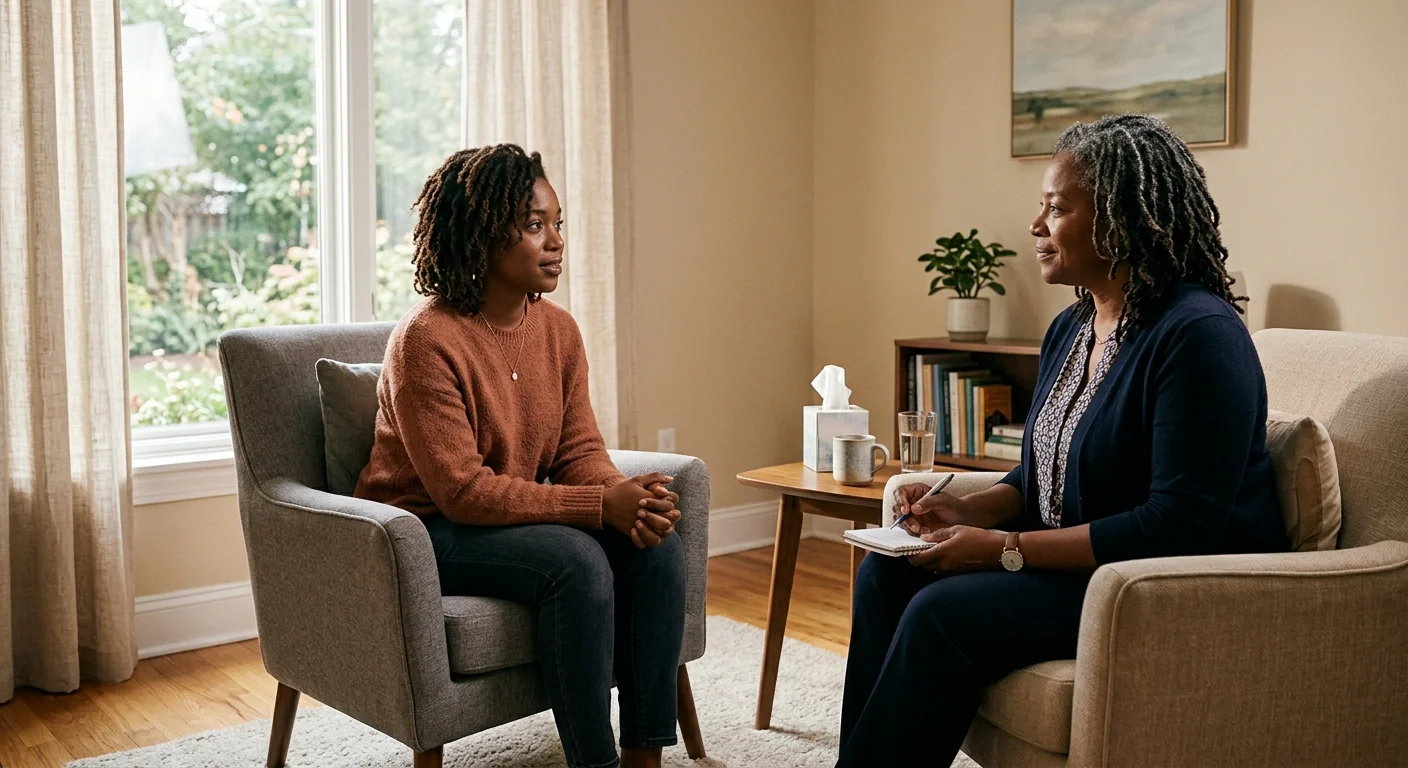
With the right support, anxiety can change significantly, even if you have been living with it for years. Therapy for anxiety in Black women goes beyond generic coping tools. It works with the full picture of your life, including the cultural, systemic, and relational factors that contribute to how anxiety shows up for you.
This means therapy that does not require you to explain your experience before it can begin. Care that already understands the weight of the Strong Black Woman expectation, racial stress at work, and the pressure to hold everything together.
Progress in anxiety therapy does not mean eliminating all stress. It means a nervous system that can actually rest. A mind that can slow down. The ability to respond rather than react. And the felt sense that you are no longer navigating everything alone.
What Happens in Anxiety Therapy at BGMHC
You do not need to know the right words or have everything figured out. Here is what working with us actually looks like.
How We Treat Anxiety at BGMHC
We use proven, evidence-based approaches tailored to the full context of your life. Not generic strategies, but tools that account for who you are, what you are carrying, and where you want to go.
-
Cognitive Behavioral Therapy
CBT identifies the thought patterns that fuel anxiety, including perfectionism, catastrophizing, and the fear of being judged or misunderstood, and builds practical tools to interrupt them. Especially effective for work stress, performance anxiety, and overthinking.
-
EMDR Therapy
When anxiety is rooted in past experiences, including racial trauma, medical trauma, birth trauma, or adverse life events, EMDR helps the brain reprocess those memories so they stop keeping the nervous system activated. Relief without having to retell every detail.
-
Interpersonal Therapy (IPT)
IPT addresses how relationships, role changes, and grief contribute to anxiety. Particularly effective for Black mothers navigating postpartum anxiety, identity shifts, and relationship dynamics that intensify stress.
-
Faith-Based Therapy
For Black women whose faith is central to their identity, therapy can thoughtfully incorporate prayer, scripture, and spiritual practice. This is also a space to explore without judgment.
Meet Our Therapists for Anxiety in Black Women
Our clinicians are licensed in California, experienced in anxiety treatment, and deeply committed to culturally affirming care. You will not have to explain your experience before they can understand it.
-

Breea Wainwright
Licensed Marriage and Family Therapist, PMH-C
Breea specializes in perinatal anxiety for Black mothers, supporting women through pregnancy anxiety, postpartum worry, and the identity shifts that come with motherhood. Her work addresses the nervous system and the full picture.
MEET WITH BREEA -

Dr. Chyna Hill
Licensed Clinical Social Worker, PMH-C, EMDR Certified
Dr. Hill offers EMDR intensives for clients who want to process anxiety and trauma more efficiently. Designed for those who feel stuck in recurring patterns and want focused, high-impact work.
REQUEST AN INTENSIVE -
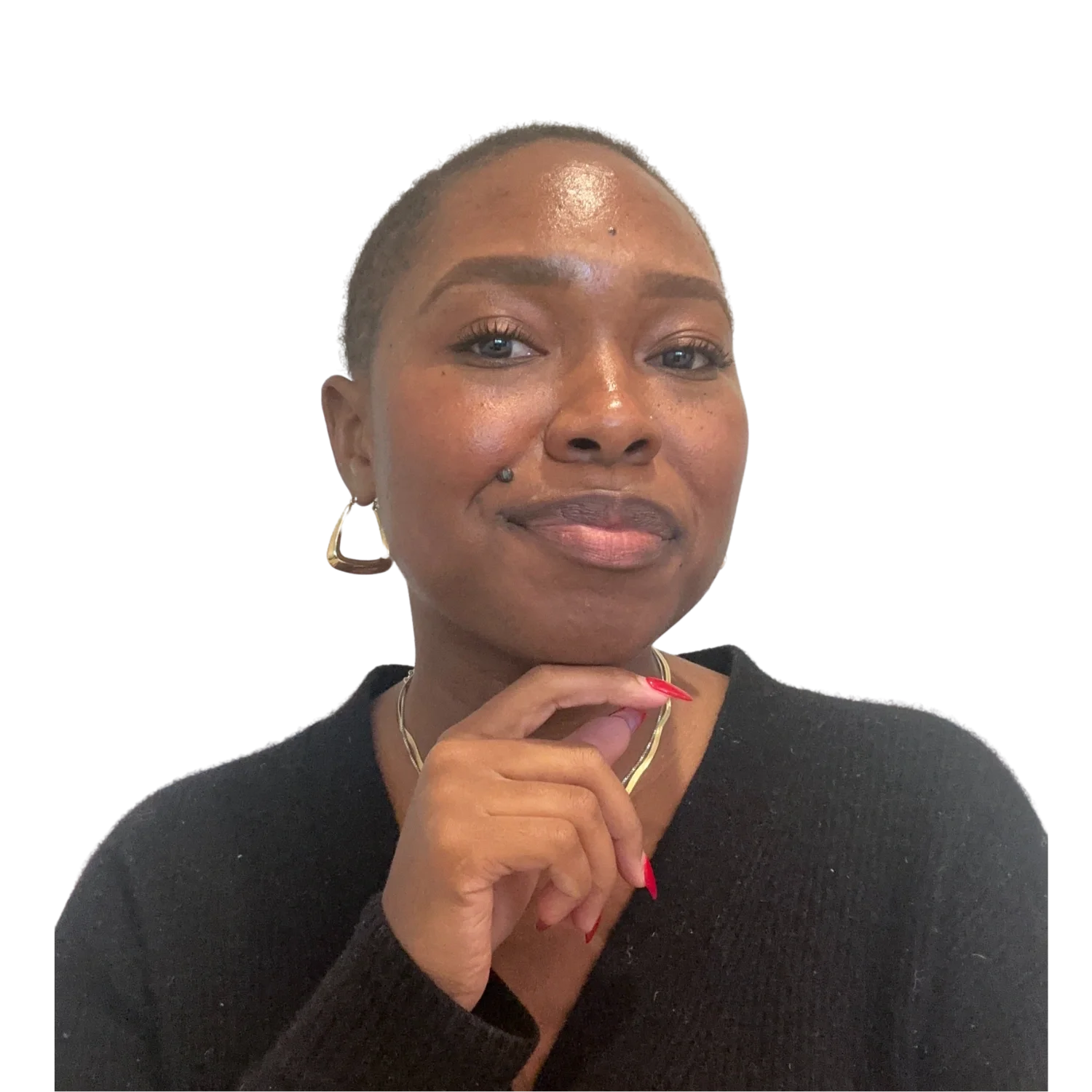
Chantal Austin
Licensed Clinical Social Worker, PMH-C
Chantal specializes in trauma-focused therapy including EMDR for anxiety rooted in past experiences, racial trauma, or birth-related stress. Relief without having to retell every detail.
MEET CHANTAL -

Ebony Staten
Associate Marriage and Family Therapist, APCC
Ebony works with high-achieving Black women navigating burnout, anxiety, and relationship stress. She specializes in helping clients find balance without sacrificing everything else in their lives.
MEET EBONY

Insurance, Pricing & Getting Started
Getting support should not require jumping through hoops. We accept multiple insurance plans and offer self-pay options to make culturally affirming anxiety therapy as accessible as possible across California.










In-Person Sessions

Online Therapy
Available statewide in California and Georgia via secure telehealth
Frequently Asked Questions About
Anxiety Therapy for Black Women
-
If you have been searching for “anxiety therapist near me” or “Black therapist for anxiety in California or Georgia,” you may already be noticing symptoms such as:
Constant worry or racing thoughts
Feeling overwhelmed even when nothing is “wrong”
Trouble sleeping or relaxing
Irritability or snapping at loved ones
Chest tightness, headaches, or stomach issues
Panic attacks
Difficulty concentrating
For Black mothers, anxiety can also look like intrusive thoughts, fear about your baby’s safety, or feeling unable to rest during pregnancy or postpartum.
Anxiety is not a personal weakness. It is often a response to chronic stress, racial trauma, or life transitions. The good news is that anxiety is treatable with culturally responsive therapy.
If you are looking for anxiety therapy for Black women near you, we offer virtual sessions throughout California and Georgia so you can access support from home.
-
Many Black women experience anxiety within the context of:
Racial stress and workplace discrimination
Pressure to be strong and self sufficient
Caregiving and maternal responsibilities
Generational trauma
Limited access to culturally responsive therapists
If you have searched for “Black female therapist near me” or “culturally responsive therapist in California,” you may already know how hard it can be to find providers who truly understand your lived experience.
At Black Girls Mental Health Collective, we specialize in therapy for Black women navigating anxiety, pregnancy, postpartum transitions, and chronic stress. We acknowledge both the personal and systemic factors that impact mental health.
You deserve support that sees the full picture.
-
If you feel like you are always in survival mode, therapy can help you regulate your nervous system and regain emotional stability.
Our anxiety therapy for Black women in California and Georgia may include:
Cognitive Behavioral Therapy to shift anxious thinking patterns
Trauma informed therapy for racial or birth related trauma
Interpersonal Therapy for maternal mental health
Nervous system regulation tools
Boundary setting and stress reduction strategies
During intake, we complete a comprehensive assessment to understand your symptoms, stressors, and goals . From there, we create a personalized treatment plan with weekly or biweekly virtual sessions.
You do not have to manage chronic anxiety alone. With consistent support, anxiety symptoms can significantly decrease.
If you are searching for “therapy for anxiety near me” and live in California or Georgia, we are currently accepting clients in those states based on clinician availability.
-
Yes. Even long-standing anxiety can improve significantly with the right approach. Therapy is a powerful tool for managing chronic anxiety, especially for Black women who may carry unique emotional burdens. A culturally responsive therapist can help identify anxiety triggers, teach coping strategies, and provide tools to manage stress long-term. Therapy also offers a safe space to heal from past trauma and build emotional resilience.
-
Yes — if you wish, your therapist can incorporate prayer, scripture, or spiritual traditions into your sessions.
-
Yes. We provide online therapy for Black women throughout California and Georgia.
Because of licensing regulations, therapy must be provided in the state where you reside. Currently:
We offer virtual therapy across California
We offer virtual therapy in Georgia based on clinician licensure
If you are searching for:
Anxiety therapist near me in Georgia
Our virtual model allows you to access culturally responsive care from the comfort and privacy of your home.
If you live outside California or Georgia, we can provide referrals to trusted providers in your state.
Ready to get started? Contact us through our website to schedule your consultation.
-
At Black Girls Mental Health Collective, anxiety therapy for Black women is not a generic service. Our clinicians understand the specific pressures, experiences, and systemic factors that shape anxiety in the Black community. You will not have to explain the impact of code-switching, the weight of the Strong Black Woman expectation, or why racial stress is real before your therapist can understand your experience. That context is already built into how we work. This is care that sees the full picture from the start.
-
Yes — we accept multiple insurance plans in California and Georgia. These include: United Healthcare (Optum), Oxford (Optum), United Healthcare Medicare Advantage, Anthem Blue Cross California, Anthem EAP (Bank of America),Blue Shield of California, Carelon Behavioral Health, Magellan, Blue Cross Blue Shield of Massachusetts, Quest Behavioral Health, & Aetna
Horizon Blue Cross and Blue Shield of New Jersey, Independence Blue Cross Pennsylvania, Cigna We also offer therapy vouchers for eligible Black women currently pregnant or within one year postpartum.
Related Support
Anxiety Often Connects to Other Areas of Care

Take the Next Step
Your anxiety makes sense and it can get better.
Culturally affirming anxiety therapy for Black women in California. Licensed therapists who understand your world. Virtual sessions. Free consultation.